How to Produce Sharp Photos
In this blog I will be explaining the key elements of how to produce sharp photos, all of the time.

First of all, in order to achieve these feats within an image, it’s beneficial to learn what the definition of a sharp photo actually is. A sharp or clean photo is one that is naturally defined by its clear and contrasting pinpoint edges, aiding the sense of depth and clarity through the use of texture within an image.
As a side note, of course the definition of a sharp image is subjective, and will look different for many. Furthermore, not all photos need to be ‘sharp’ to have the desired effect and outcome within your shot.

Shoot Fast
Starting off with your shutter speed, shooting fast is a key factor when learning how to capture sharpness against any movement within your photography.
In general, setting your shutter speed at a slow rate will induce more motion blur into a capture, and as a result of this it can lead to taking a photo that can produce a blurry image. Therefore, on the other end of the scale, setting shutter speeds between 1/400 - 1/1000+ act as a freeze frame and can leave your photos looking crisp.

A useful example why you would use a higher shutter speed would be to allow the sharp capture of moving subjects or the flow of the waves, each of which move and act at a much faster rate.

Aperture Control
To enable yourself to have greater control of your images, you will also need to gain knowledge of how aperture will have an effect on your photos. Depending on the nature and subject of your image, the range you shoot within can allow for creativity and a higher level of sharpness.
Aperture plays an important role within the exposure triangle as it regulates the depth of field and focus set upon your subjects. When using smaller apertures such as f/11+ while doing landscape photography for example, it allows and creates a deeper depth of field, therefore allowing more of the photo frame to be in focus.

On the other hand, wider apertures for example f/1.4 - f/2.8 are useful for genres such as portrait photography as they produce a much more narrow and shallower depth of field, which is great for allowing blurred backgrounds and bokeh within your photos, therefore allowing the subject to pop out from the image.

Lighting
Even as a beginner photographer, you will quickly notice that one of the main elements of photography is light. In fact, it can transform an image and the overall mood of the scene in various ways.
Light forms can be seen in a variety of forms, whether it be through the contrasts of sunshine and shadows, or neon signs and street lights glistening in the night sky, anything that provides adequate brightness to a location in the form of light can be used to your advantage.

One again, In order to fully utilise light within a shot, you will first need to learn and understand how it can impact and therefore affect the feel of an image.
This is because light helps to provide layers and depth to your imagery, thereby allowing the contrasts to blend and guide the viewer towards certain areas of an image. Whether it be backlighting or creeping in from the sides, naturally the highlights and shadows that light creates give you a greater scale of dynamic range, therefore handing you with opportunities to display a wide array of moods and emotions to work with.

For further information on this element, I have previously written a blog regarding how to utilise light within your photography, which can be found here.

Image Stabilisation
In accordance and relation to this, each factor of the exposure triangle (Shutter Speed, Aperture, ISO) will have a direct impact on your image stabilisation. Each setting on your camera plays its part in this process, benefiting your photography in one way or another.
Luckily, these days in the world of modern technology a wide range of camera bodies and lenses have special image stabilisation features readily built into its system, aiding you straight off the bat. In addition to this, old school methods such as use of a Tripod allow for the required support and stability needed in order to be able to capture fast movements and subjects for example in sports photography, and also alternatively precise landscape work or long exposures.

Accurate Focus
With all being said, combining all of the elements above, they won’t amount to anything if the final image doesn’t portray an accurate focus. Without ensuring the focusing system on the camera is fixed onto your subject, you leave yourself open to a non-sharp image as an end result.

Fortunately, brands these days give the user the best opportunities possible to capture sharp high-quality images through their distinct array of features. Brands such as Sony excel in this element with the integration of their focusing system.
The ability to switch between Autofocus and Manual Focus gives their cameras the cutting edge when it comes to focusing, and the option of several different focus settings enables you to ensure your content is always sharp and stands out, honing in on what really matters at all times within the frame.
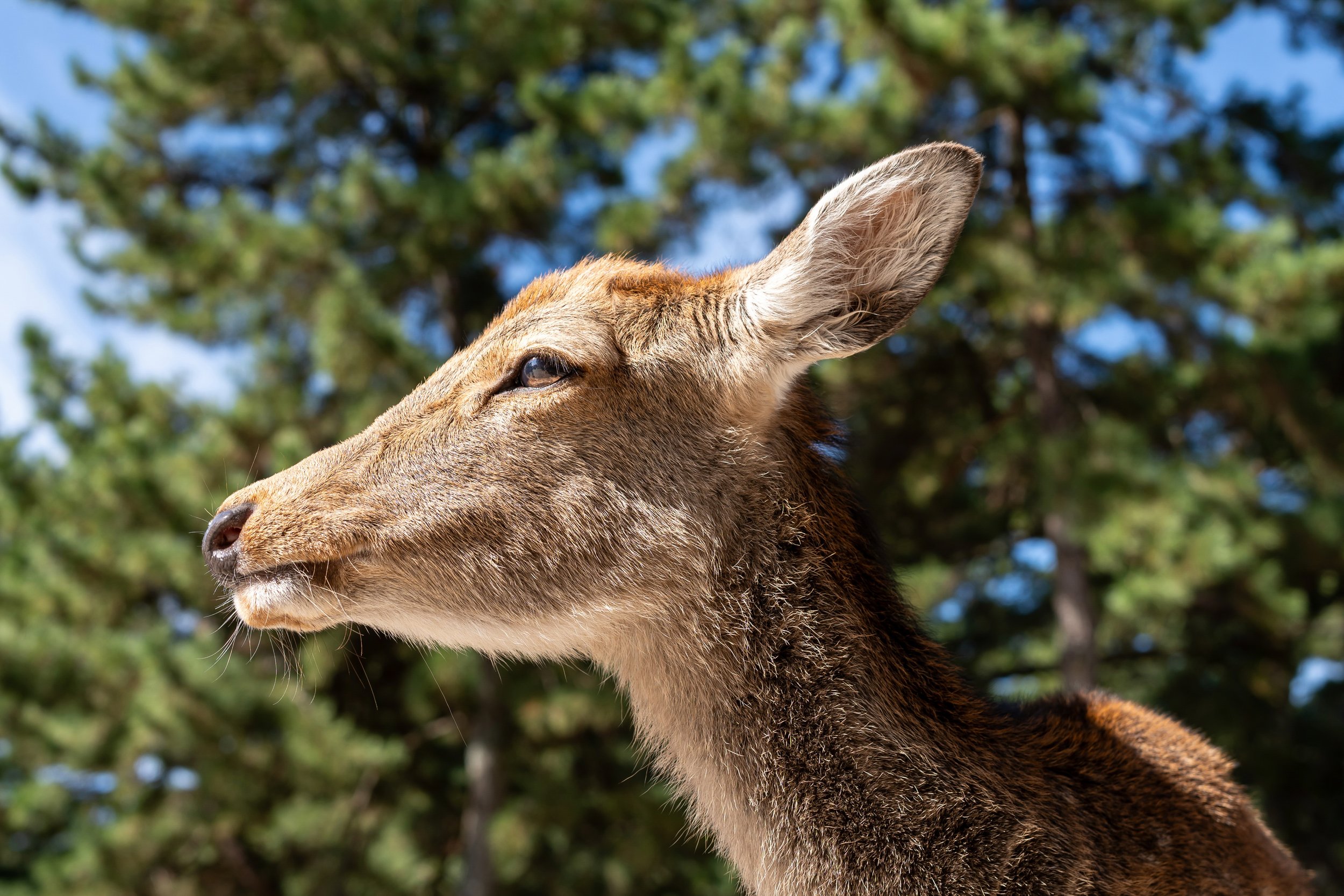
If needed, the snap between subjects means you’ll never miss a beat, and the fast switch focus that a wide range of cameras have are always there to aid your cause to the highest standard possible. Furthermore, most cameras these days have the unique potential to track eyes and faces in an instant, giving them a fast, accurate, and responsive feel.